
YMS Group General Contracting LLC
Frequently Asked Questions
General questions about interior design, fit-out, and building services in Abu Dhabi.
Residential & Commercial Painting Solutions| Premium Finishes & Quality Materials | Serving Abu Dhabi, Al Ain & Dubai
✓ Established Since 2019
✓ Turnkey Solutions
✓ Municipality & Authority Support
✓ Residential & Commercial Specialists
✓ Serving Abu Dhabi, Al Ain & Dubai
Interior Design
1. Design vs fit-out - what's the difference?
Design plans the space; fit-out builds it.
2. How long does design planning take?
Usually 2-4 weeks for concept and layout.
3. Do small spaces need a designer?
Not always, but it still improves layout and material choices.
4. Does design add resale value?
Yes, well-planned interiors typically boost value.
5. What should I prepare before consulting a designer?
A rough budget, must-haves, and inspiration images.
6. 2D vs 3D plans - what's the difference?
2D shows layout; 3D shows the finished look.
7. Can I change the design after finalizing it?
Minor changes yes; major ones affect cost and time.
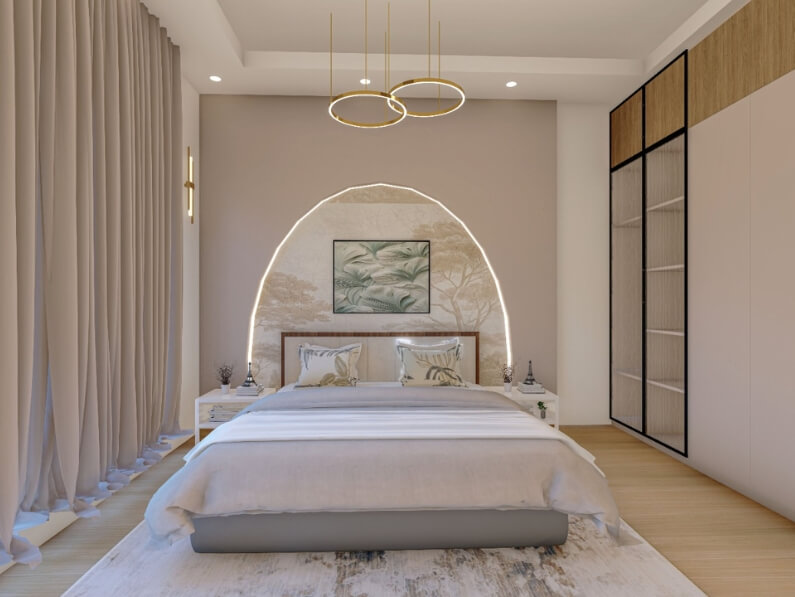
8. Do designers help pick furniture too?
Many do, as part of the service.
9. Modern vs contemporary style - what's the difference?
Modern is a historical era; contemporary refers to current trends.
Interior Fit-Out
1. What is the meaning of “fit-out”?
Making a space suitable for use.
2. How do Cat A and Cat B differ?
Cat A is basic infrastructure, and Cat B is customized.
3. What is the average time needed for the fit-out?
Several weeks for small spaces and a few months for larger commercial ones.
4. Are permits required for a fit-out?
Yes, if there are layout, MEP, or structure changes.
5. What is usually the highest cost of the project?
MEP works and custom-made joinery.
6. What is the difference between fit-out and renovation?
Using fit-out means working with a new building; remodeling refers to upgrading an existing object.
7. Why does the budget for fit-out increase during the project?
Changes in plans during the process and poor planning at the beginning.
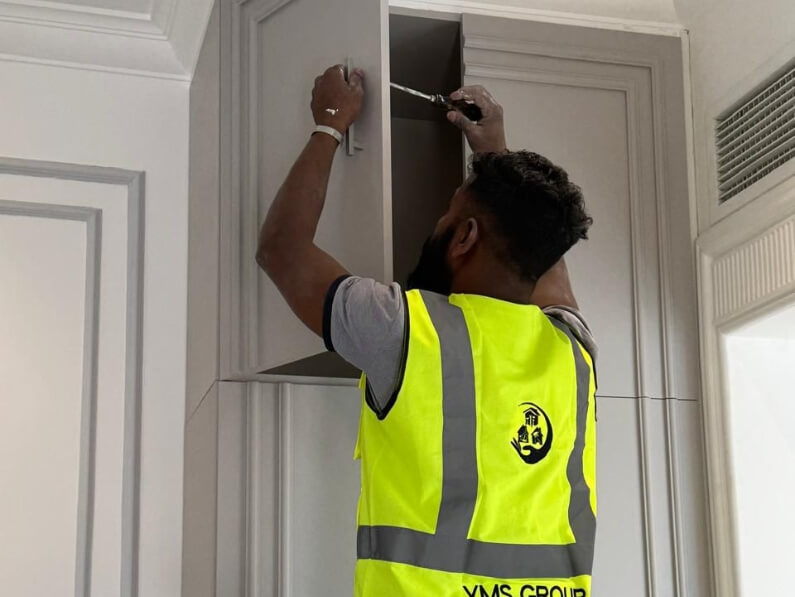
8. What does the term “snagging” mean in the project?
Final inspection before the handover of the building.
9. Can existing MEP be reused in a fit-out?
Sometimes, if it meets current capacity and safety needs.
Waterproofing
1. How do I know if I need waterproofing?
Watch for stains, damp smells, or peeling paint.
2. How often should it be redone?
Every few years, depending on the system.
3. Do indoor bathrooms need it too?
Yes, wet areas are common leak points.
4. Does waterproofing stop mold?
Yes, by controlling moisture buildup.
5. Cementitious vs membrane systems - what's the difference?
Cementitious is rigid; membrane is more
6. How long does it take to cure?
Usually 24-72 hours before normal use.
7. Can it go over old, failed waterproofing?
Not recommended – removal usually gives better results.
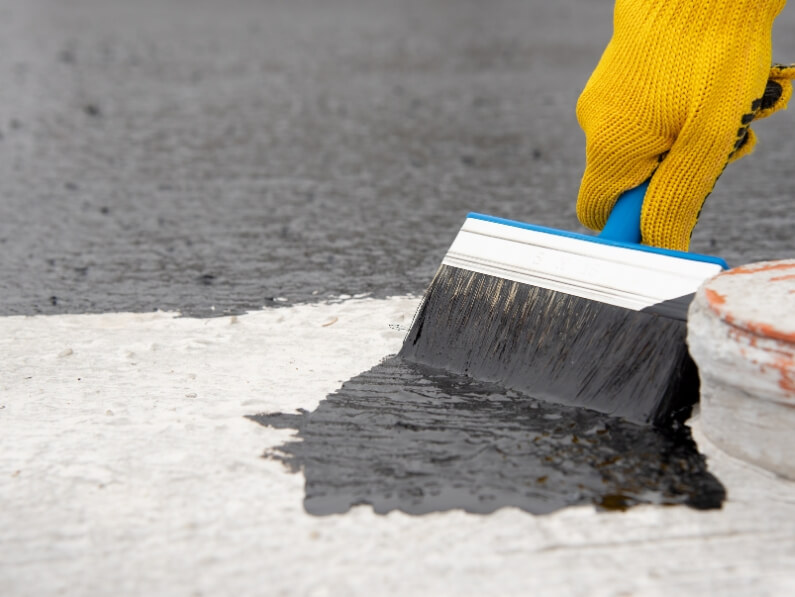
8. What's the most common cause of failure?
Poor surface preparation before application.
9. Do balconies need different waterproofing than bathrooms?
Yes, they need UV-resistant systems for weather exposure.
MEP Services
1. What does MEP stand for?
Mechanical, Electrical, and Plumbing.
2. Is MEP needed for small renovations?
Often yes, if plumbing or wiring moves.
3. Why is MEP planned early?
It runs behind walls before finishing starts.
4. MEP vs HVAC - what's the difference?
HVAC is one part of the wider MEP scope.
5. Does MEP need separate approvals?
Sometimes, especially for commercial projects.
6. What happens if MEP isn't tested before handover?
It can fail later, causing leaks or faults.
7. Does MEP overlap with fire safety systems?
Yes, they often connect through shared infrastructure.

8. How does building size affect MEP work?
Larger buildings need more zoning and capacity planning.
9. Is MEP maintenance different from installation?
Yes, maintenance focuses on servicing existing systems.
HVAC & AC
1. How often should AC be serviced?
Every 3-6 months in hot climates.
2. HVAC vs standard AC - what's the difference?
HVAC is the full system; AC is one part.
3. Why does poor ventilation matter?
It affects air quality and humidity control.
4. How long do HVAC systems last?
About 10-15 years with maintenance.
5. Split vs central AC - what's better for a villa?
Split suits rooms; central suits open layouts.
6. Why does cooling efficiency drop over time?
Dirty filters, low refrigerant, or blocked ducts.
7. Can old ducting raise electricity bills?
Yes, leaks force the system to work harder.
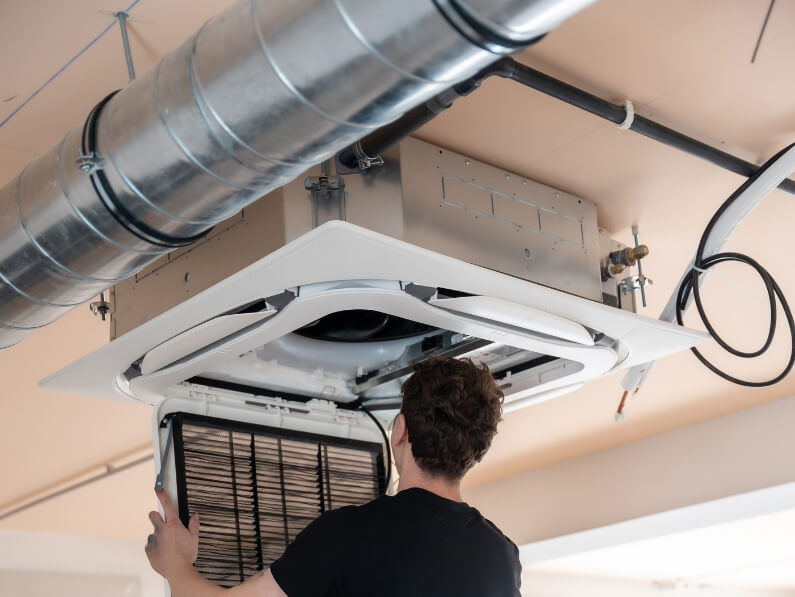
8. Does insulation affect HVAC efficiency?
Yes, good insulation reduces cooling load.
9. Can ducted systems be modified after install?
Yes, without needing a full system replacement.
Electrical Works
1. Signs my wiring needs an upgrade?
Flickering lights or frequent tripping.
2. Is it safe to add power points to old wiring?
Only after checking existing load capacity.
3. Why choose LED over traditional lighting?
Lower energy use and longer lifespan.
4. Do electrical renovations need approval?
Often yes, for commercial spaces.
5. How often should systems be inspected?
Every 3–5 years, more for commercial use.
6. What causes repeated breaker trips?
Overloaded circuits or faulty wiring.
7. Distribution board vs switchboard - what's the difference?
One splits power; the other controls flow.
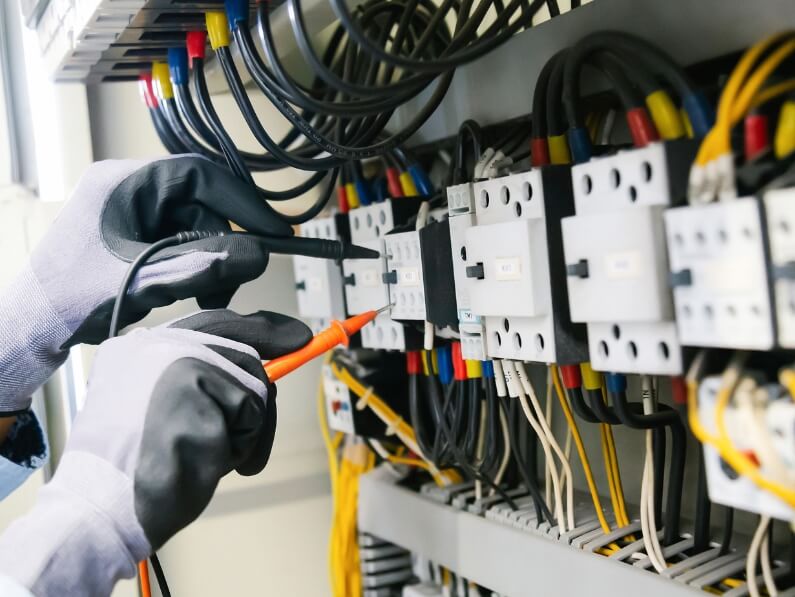
8. Is DIY electrical work risky?
Yes, it carries safety and compliance risks.
9. Can smart home systems fit existing wiring?
Often yes, though some upgrades may be needed.
Gypsum Ceiling & Decor
1. What is a gypsum ceiling made of?
Lightweight gypsum board.
2. Does it reduce room height much?
Usually just a few inches.
3. Can it hide wiring?
Yes, that’s a common use.
4. Is gypsum okay for bathrooms?
Only moisture-resistant boards, not standard ones.
5. Can damaged gypsum be repaired?
Yes, sections can be patched or replaced.
6. Does it help with soundproofing?
Some benefit, but it’s not dedicated soundproofing.
7. Can lighting be built into it?
Yes, LED strips and spotlights are common.
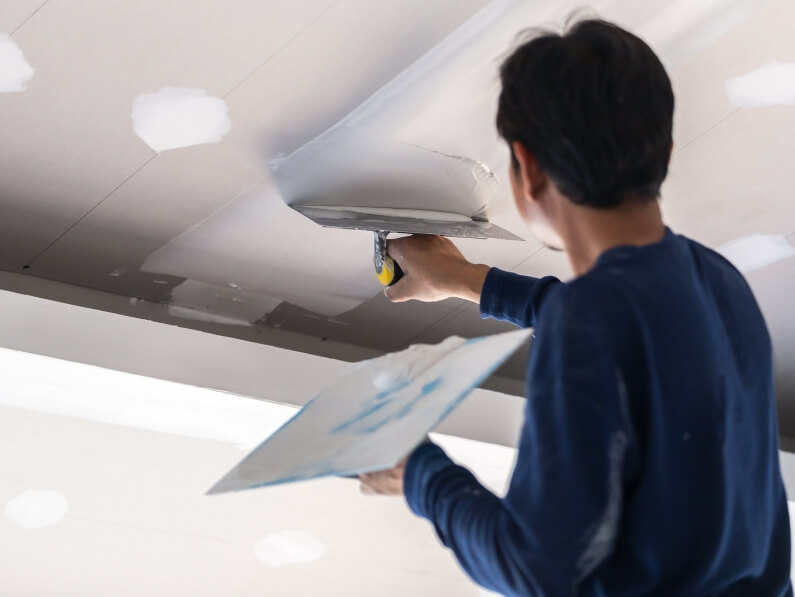
8. How long does installation take?
A few days for a standard room.
9. Can gypsum partitions replace brick walls?
For non-load-bearing divisions, yes.
Carpentry & Woodworks
1. MDF vs plywood - what's the difference?
MDF is smoother; plywood is stronger.
2. How long does custom furniture take?
Roughly 2-4 weeks.
3. Can old cabinets be modified instead of replaced?
Yes, if the structure is still sound.
4. Which finish lasts longest?
High-gloss and laminate in high-traffic areas.
5. Is custom carpentry pricier than ready-made?
Usually, but it fits the space better.
6. Veneer vs laminate - what's the difference?
Veneer is real wood; laminate is synthetic.
7. Does humidity affect wooden furniture?
Yes, especially untreated wood.

8. What's the typical warranty period?
About 1-3 years for workmanship.
9. Is solid wood always better than engineered wood?
Not always – engineered wood often offers better stability.
Painting
1. How often should walls be repainted?
Every 3-5 years, depending on wear.
2. Emulsion vs enamel - what's the difference?
Emulsion suits walls; enamel suits doors and metal.
3. How long between coats?
Usually 4-6 hours.
4. Does exterior need different paint?
Yes, formulated for weather and UV exposure.
5. What causes paint to peel?
Moisture, poor prep, or low-quality paint.
6. Is primer always needed?
In most cases, yes.
7. Matte vs gloss - what's the difference?
Matte hides flaws; gloss is more durable.Matte hides flaws; gloss is more durable.

8. Are low-VOC paints worth it?
Yes, fewer fumes and better air quality.
9. Does paint color affect a room's size feel?
Yes, lighter shades make spaces feel larger.
Tile & Flooring
1. Porcelain and ceramic-what's the distinction?
Porcelain is heavier than ceramic.
2. How long will it take to install?
1-3 days given the standard room size.
3. Can you install new tiles over older flooring?
Only if the surface is level.
4. What are the best flooring options for heavy-use areas?
This depends on the type of traffic in the area.
5. When can you start walking on the newly installed flooring?
Generally within 24-48 hours.
6. What causes tiles to crack?
The subfloor was not prepped properly, or due to structural movement.
7. Is marble practical for daily use?
It’s elegant but stains easily.
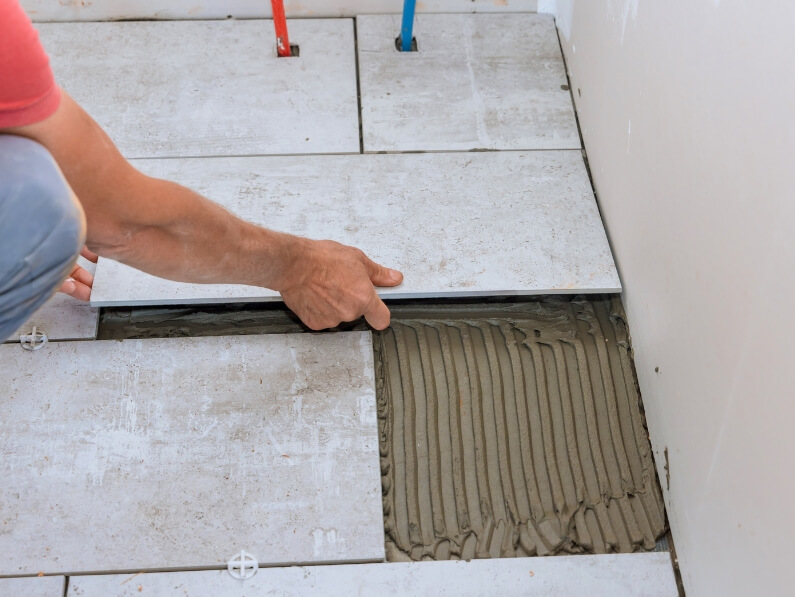
8. How long does good tile flooring last?
Decades, with proper installation.
9. Rectified vs non-rectified tiles - what's the difference?
Rectified tiles have precise edges for tighter grout lines.
Cleaning Services
1. Deep clean vs regular clean - what's the difference?
Deep cleaning covers hidden, hard-to-reach areas.
2. When should post-construction cleaning happen?
As soon as possible after work ends.
3. How often should offices be cleaned?
Weekly to biweekly is common.
4. Is cleaning needed before moving in?
Yes, to clear construction dust and residue.
5. Can cleaning harm new finishes?
Not if the right products are used.
6. Move-in vs move-out cleaning - what's the difference?
One preps for the next occupant, one for the new.
7. How often should vents be cleaned?
About once a year.

8. Does regular cleaning extend surface life?
Yes, it prevents long-term buildup damage.
9. Do commercial kitchens need different cleaning?
Yes, food-safety-focused cleaning beyond standard methods.
Fire Fighting & Fire Alarm Systems
1. How often should alarms be tested?
At least every 6 months.
2. Smoke vs heat detector - what's the difference?
Smoke reacts to particles; heat reacts to temperature.
3. Do all commercial spaces need alarms?
Yes, it’s a standard requirement.
4. How long do extinguishers last?
5–15 years, with regular checks.
5. Do villas need fire safety equipment too?
Yes, especially smoke detectors.
6. Wet vs dry sprinkler systems - what's the difference?
Wet holds water always; dry fills when triggered.
7. What usually causes false alarms?
Dust, steam, or poor maintenance.
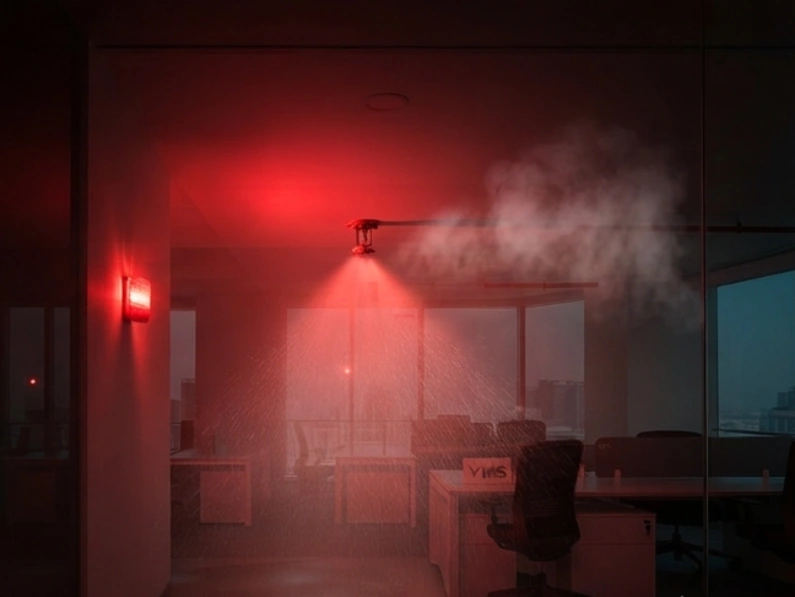
8. Can old fire systems be upgraded, not replaced?
Often yes, especially alarm panels.
9. Is fire-rated material required in ceilings?
Yes, particularly in commercial and high-occupancy buildings.
Civil & General Contracting + Authority Approvals
1. Contractor vs design-and-build - what's the difference?
One builds a design; the other creates and builds it.
2. How long do approvals usually take?
Weeks for simple projects, longer for complex ones.
3. Do all renovations need approval?
No, only structural, MEP, or layout changes.
4. What happens without proper approval?
Fines, delays, or forced modifications.
5. Who coordinates approvals - owner or contractor?
Usually agreed upon in the contract.
6. What documents are typically required?
Tenancy proof, layout drawings, and technical submissions.
7. Structural vs non-structural change - what's the difference?
Structural affects load-bearing elements; non-structural doesn’t.

8. Is civil defence approval different from municipality approval?
Yes, civil defence focuses on fire and life safety.
9. Can approved drawings change mid-project?
Yes, but changes need resubmission and re-approval.